Introduction
For small and medium metal fabrication workshops, investing in new equipment is always a major decision. Many workshop owners wonder whether upgrading to a laser pipe cutting machine can truly improve productivity and profitability or whether traditional tube processing methods are still sufficient. As customer demands for precision, efficiency, and customization continue to grow, laser tube cutting technology is becoming more attractive even for smaller manufacturers.
A modern laser pipe cutting machine combines CNC automation with high-precision laser technology, enabling workshops to process metal tubes faster and more accurately than traditional cutting methods. However, purchasing such equipment involves initial investment, training, and workflow adjustments. This article provides a practical evaluation of whether a laser pipe cutting machine is worth it for small and medium workshops, examining costs, benefits, production efficiency, and long-term competitiveness.
Understanding the Needs of Small and Medium Tube Fabrication Workshops
Small and medium workshops often operate with limited manpower, budget constraints, and flexible production requirements. Unlike large factories, these workshops typically handle:
Custom or small-batch orders
Multiple tube sizes and profiles
Frequent product design changes
Tight delivery schedules
Traditional tube processing methods can handle basic cutting tasks but often struggle to maintain consistent quality and efficiency under these conditions. A laser pipe cutting machine offers a potential solution by automating complex tube fabrication processes.
What Is a Laser Pipe Cutting Machine and Why Workshops Consider It
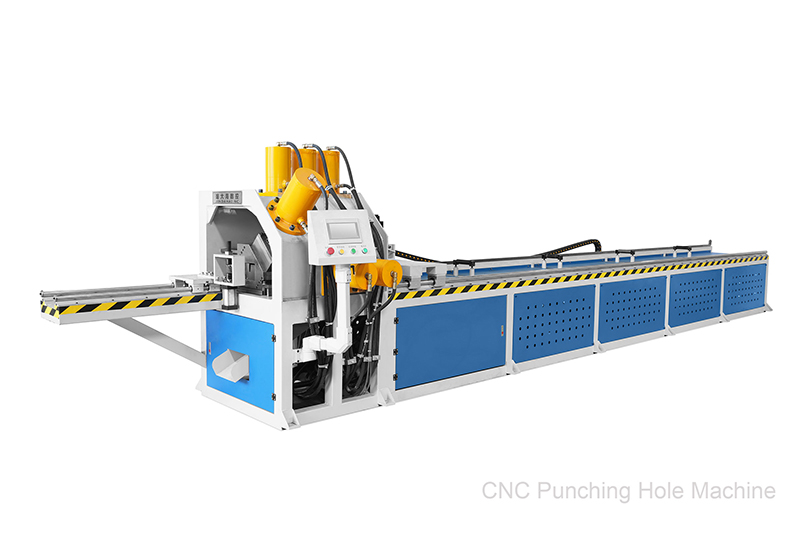
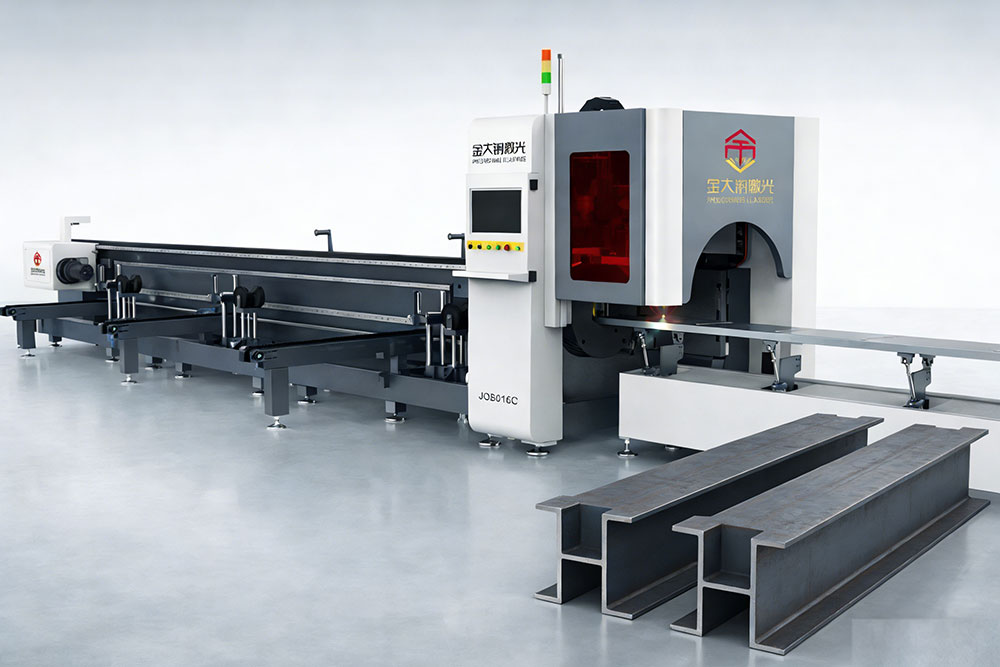
A laser pipe cutting machine is a CNC-controlled system that cuts metal pipes and tubes using a focused laser beam. It allows workshops to perform multiple operations in one setup, including:
Tube cutting
Hole drilling
Slot cutting
Bevel cutting
Complex contour processing
By integrating these operations, the machine reduces manual work and improves processing accuracy.
Key Advantages of Laser Pipe Cutting Machines for Small Workshops
Improved Production Accuracy for Custom Orders
Small workshops often focus on customized projects where precision is critical. A laser pipe cutting machine uses digital programming to ensure accurate hole positioning and consistent cut dimensions.
This reduces assembly errors and improves customer satisfaction.
Increased Efficiency and Faster Delivery Times
Traditional tube processing involves multiple steps, including cutting, drilling, and grinding. Each step consumes time and labor.
Laser tube cutting integrates these steps into one automated process, significantly shortening production cycles and enabling workshops to handle more orders.
Labor Cost Reduction and Workforce Optimization
Reduced Manual Operation
Small workshops frequently face labor shortages or high labor costs. A laser pipe cutting machine reduces reliance on manual measuring and drilling, allowing workshops to operate with fewer workers.
Easier Training and Operation
Modern laser machines feature user-friendly software that simplifies programming and operation. This makes it easier for workshops to train new operators and maintain stable production quality.
Space Utilization and Workshop Layout Efficiency
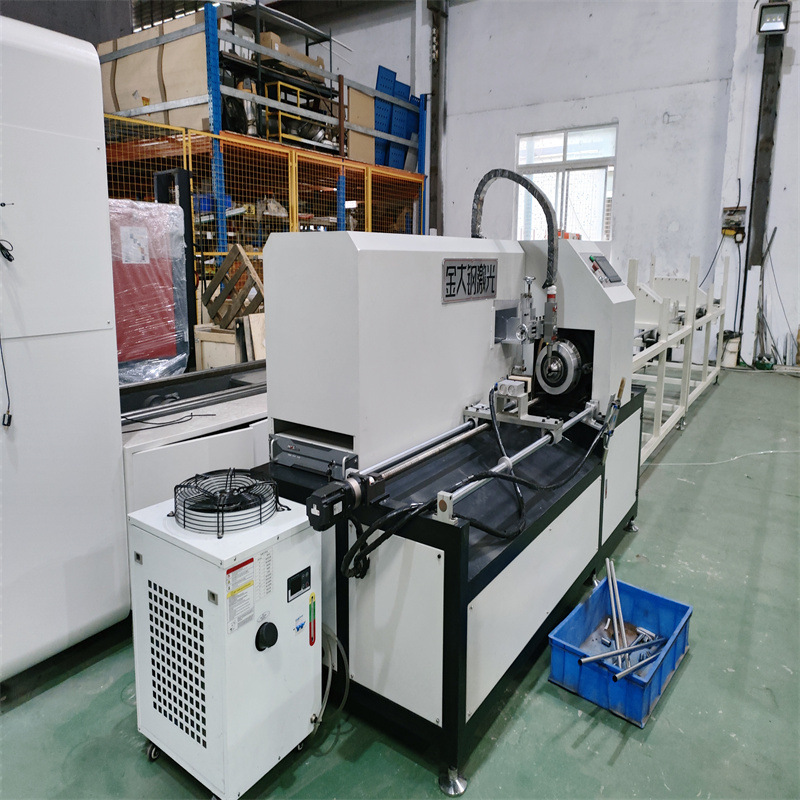
One common concern among small workshops is limited floor space. A laser pipe cutting machine replaces several traditional machines, including saws, drills, and punching equipment.
This integrated design helps workshops optimize layout and improve workflow efficiency.
Cost Analysis: Is the Investment Justified?
Initial Purchase Cost
Compared to traditional tube cutting equipment, a laser pipe cutting machine typically requires higher upfront investment. This can be challenging for small workshops with limited capital.
Long-Term Operating Cost Advantages
Despite higher initial cost, laser tube cutting machines often reduce overall production costs through:
Lower labor expenses
Reduced scrap and rework
Faster production speed
Lower tooling costs
Over time, these savings can offset the initial investment.
Productivity Improvement and Order Capacity Expansion
A laser pipe cutting machine allows small workshops to process more orders without significantly increasing manpower. This helps workshops expand production capacity and accept larger projects.
Design Flexibility and Business Growth Opportunities
Laser tube cutting supports complex shapes and customized designs that traditional methods cannot easily achieve. This opens new business opportunities in industries such as furniture, architecture, and fitness equipment manufacturing.
Comparison Between Laser Pipe Cutting and Outsourcing Tube Processing
Some workshops outsource tube cutting to external suppliers. While outsourcing reduces equipment investment, it also introduces:
Longer lead times
Reduced production flexibility
Higher dependency on suppliers
Owning a laser pipe cutting machine allows workshops to control production schedules and maintain quality standards.
Material Compatibility and Production Versatility
A laser pipe cutting machine can process various materials, including:
Carbon steel tubes
Stainless steel pipes
Aluminum profiles
Brass and copper tubes
This versatility allows workshops to expand product offerings and serve different industries.
Common Concerns of Small Workshop Owners
Concern #1: High Investment Risk
Workshops often worry about whether production volume can support machine investment. Careful production planning and order analysis help reduce financial risk.
Concern #2: Technical Complexity
Many modern laser pipe cutting machines include intuitive software and automated functions, reducing technical barriers for small workshops.
Concern #3: Maintenance and Operating Costs
Fiber laser technology requires minimal maintenance compared to traditional mechanical equipment, making it suitable for small workshop operations.
Return on Investment (ROI) Considerations for Laser Pipe Cutting Machines
ROI depends on factors such as production volume, labor cost savings, and scrap reduction. Workshops with frequent tube processing needs often achieve faster payback periods.
Even workshops handling moderate production volume may benefit from improved efficiency and expanded business opportunities.
Scalability and Future Production Planning
Small workshops planning to expand production should consider future scalability. A laser pipe cutting machine supports automation upgrades and integration with other fabrication equipment, allowing workshops to grow without replacing core processing systems.
Real Production Scenarios Where Laser Pipe Cutting Adds Value
Furniture and Decorative Metal Fabrication
Laser tube cutting improves hole accuracy and aesthetic quality, which is important for visible furniture components.
Construction and Custom Structural Fabrication
Custom metal structures require flexible design capability and high cutting precision.
Fitness Equipment Manufacturing
Complex tubular designs benefit from laser cutting consistency and efficiency.
When Small Workshops May Not Need a Laser Pipe Cutting Machine
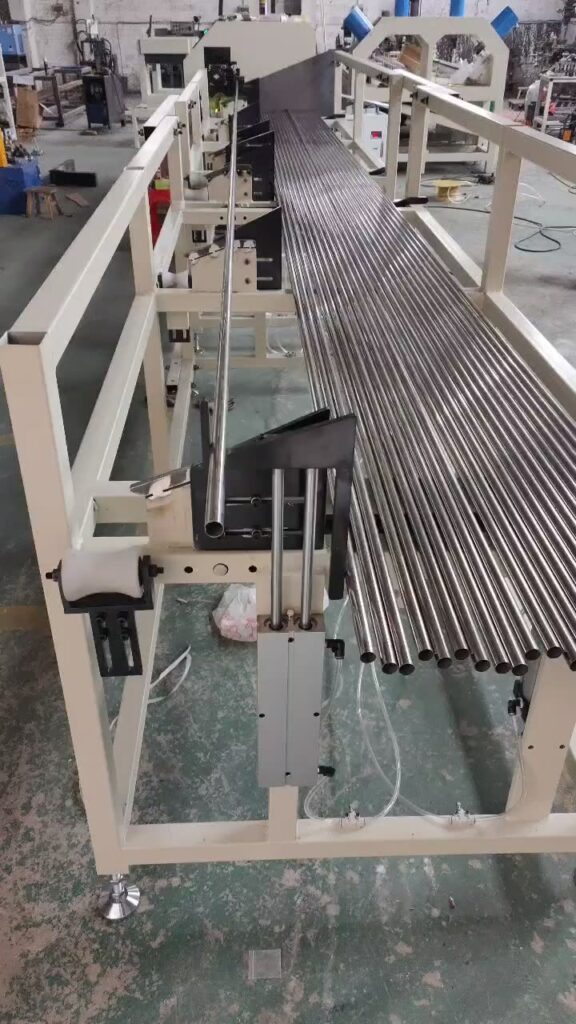
A laser pipe cutting machine may not be necessary when:
Production volume is extremely low
Tube processing involves only simple straight cuts
Budget limitations prevent equipment investment
However, workshops should also consider long-term growth and competitiveness.
Video Demonstration: Laser Pipe Cutting in a Small Workshop Environment
To better understand how laser pipe cutting machines improve efficiency in small workshop production, a video demonstration can show real tube loading, cutting, and unloading operations.
Long-Term Competitive Benefits for Small and Medium Workshops
Adopting laser tube cutting technology helps workshops improve production quality, expand business capabilities, and respond faster to customer requirements. Over time, this enhances market competitiveness and strengthens brand reputation.
Future Trends: Why Laser Tube Cutting Is Becoming Standard Equipment
The metal fabrication industry is moving toward automation, digital manufacturing, and higher precision standards. Laser pipe cutting machines are becoming more affordable and efficient, making them increasingly accessible for small and medium workshops.
Practical Buying Tips for Small Workshop Owners
When selecting a laser pipe cutting machine, workshops should evaluate:
Tube size and thickness requirements
Production volume and order type
Available workshop space
Automation level and budget
Supplier support and training services
Choosing equipment that matches production needs ensures maximum investment value.
Conclusion
For many small and medium workshops, investing in a laser pipe cutting machine is becoming a practical and strategic decision rather than a luxury upgrade. While the initial investment may be higher than traditional tube cutting equipment, the long-term benefits—including improved accuracy, increased efficiency, reduced labor costs, and expanded business opportunities—often justify the cost.
A laser pipe cutting machine enables workshops to handle complex designs, maintain consistent production quality, and compete more effectively in modern metal fabrication markets. As industry demands continue to evolve, adopting laser tube cutting technology can help small and medium workshops achieve sustainable growth and long-term success.