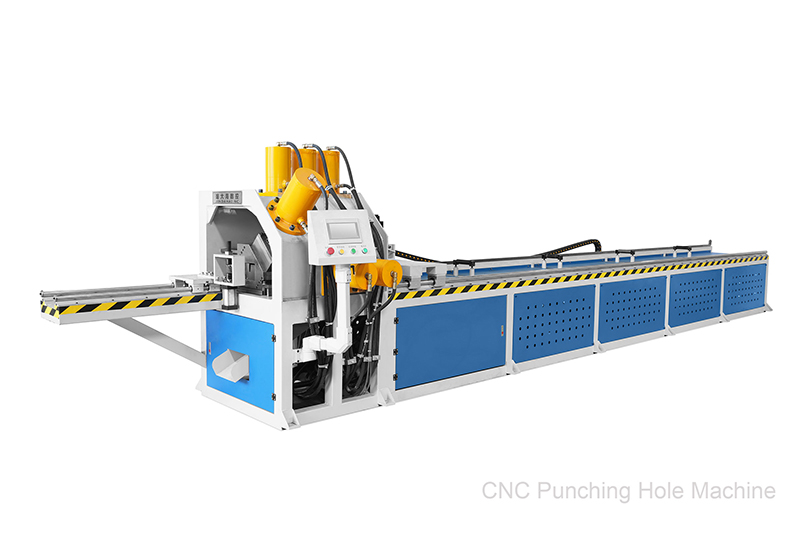
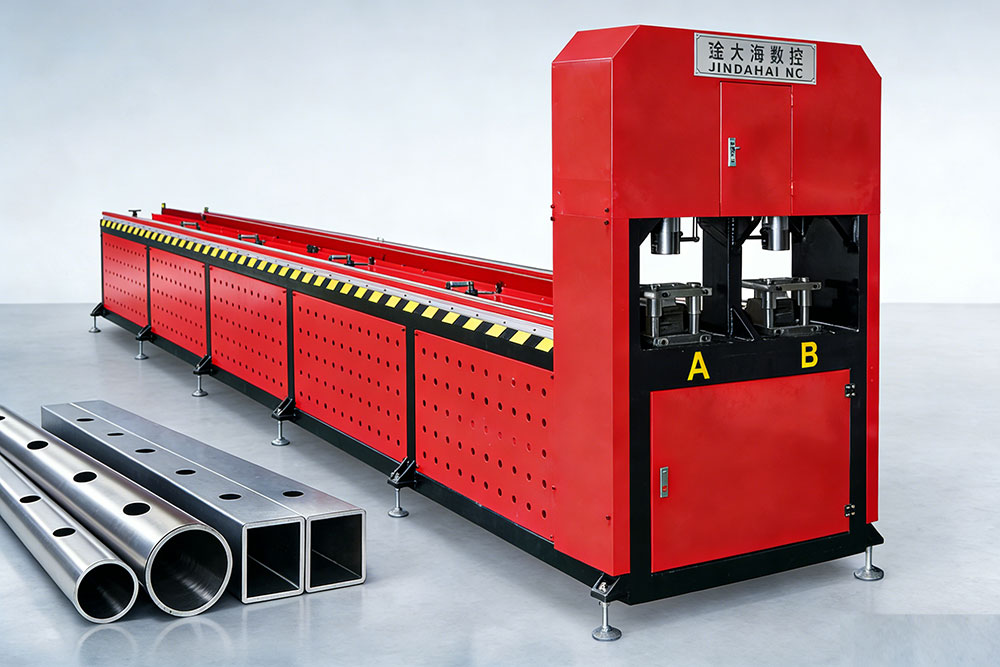
Introduction: Why CNC Tube Punching Machines Matter for Small and Medium Workshops
For small and medium fabrication shops, staying competitive often means producing higher-quality parts with limited labor, floor space, and budget. Traditional manual punching methods may work for low-volume jobs, but they quickly become a bottleneck as order complexity and output requirements increase. This is where a CNC tube punching machine becomes a practical and scalable solution.
By combining automation, precision control, and repeatable performance, CNC punching technology enables workshops to handle tube hole processing more efficiently without the complexity of full-scale production lines. Whether manufacturing furniture frames, construction components, or custom metal parts, a CNC tube punching machine helps smaller shops improve accuracy, reduce labor dependency, and expand service capabilities—without sacrificing flexibility.
Understanding CNC Tube Punching Machines in Fabrication Shops
A CNC tube punching machine is designed to punch holes, slots, and shapes into metal tubes using computer numerical control. Unlike manual or hydraulic-only machines, CNC systems rely on programmed instructions to control positioning, feeding, and punching actions.
Key Characteristics of CNC Tube Punching Machines
CNC-controlled positioning and feeding
Consistent hole spacing and depth
Support for round, square, and rectangular tubes
Reduced operator intervention
These features make CNC tube punching machines especially suitable for small and medium fabrication shops that require both accuracy and adaptability.
Advantage 1 – Improved Hole Accuracy and Consistency
Accuracy is one of the most critical advantages of CNC punching technology.
Eliminating Human Error in Tube Punching
Manual punching relies heavily on operator skill and experience, which often leads to:
Inconsistent hole spacing
Misalignment issues
Increased rework
A CNC tube punching machine executes each punching operation according to precise programmed parameters, ensuring repeatable accuracy across batches.
Maintaining Quality for Repeat Orders
For fabrication shops handling repeat customers and standardized products, CNC punching ensures consistent results every time—strengthening customer trust and reducing quality disputes.
Advantage 2 – Higher Productivity with Limited Labor
Small and medium workshops often face labor shortages or rising labor costs.
Automation Reduces Manual Workload
With automated feeding and positioning, a CNC tube punching machine allows one operator to manage tasks that previously required multiple workers. This directly improves output without increasing headcount.
Faster Cycle Times for Tube Hole Processing
Compared to manual punching, CNC machines significantly reduce cycle time per part, especially for multi-hole patterns and long tube sections.
Advantage 3 – Lower Long-Term Production Costs
Although a CNC tube punching machine requires initial investment, it often reduces overall production costs.
Reduced Scrap and Material Waste
Precise punching minimizes:
Incorrect hole placement
Tube deformation
Rejected parts
Less scrap means better material utilization and improved profit margins.
Optimized Labor Cost Structure
By reducing dependency on skilled manual operators, shops can allocate labor more efficiently and control payroll expenses.
Advantage 4 – Versatility for Multiple Tube Applications
Flexibility is essential for small and medium fabrication businesses that handle diverse orders.
Supporting Multiple Tube Sizes and Shapes
Modern CNC tube punching machines can process:
Round tubes
Square and rectangular tubes
Various wall thicknesses
This versatility allows shops to serve multiple industries without changing equipment.
Handling Different Hole Patterns and Designs
CNC programming enables quick changes between hole layouts, slot shapes, and punching sequences—ideal for custom or short-run jobs.
Advantage 5 – Simplified Operation and Training Requirements
Ease of use is often overlooked but critical for smaller workshops.
User-Friendly CNC Control Interfaces
Most CNC tube punching machines feature intuitive control systems with:
Touchscreen operation
Visual programming
Stored job parameters
This reduces training time and allows new operators to become productive quickly.
Reduced Dependency on Highly Skilled Operators
With CNC automation handling precision tasks, workshops can rely less on highly specialized labor.
Advantage 6 – Space Efficiency for Compact Workshops
Floor space is often limited in small and medium fabrication shops.
Compact Machine Footprint
Compared to full laser cutting systems or large production lines, CNC tube punching machines typically require less space while delivering high output.
Integration into Existing Workshop Layouts
CNC punching machines can be integrated into existing workflows without major layout changes.
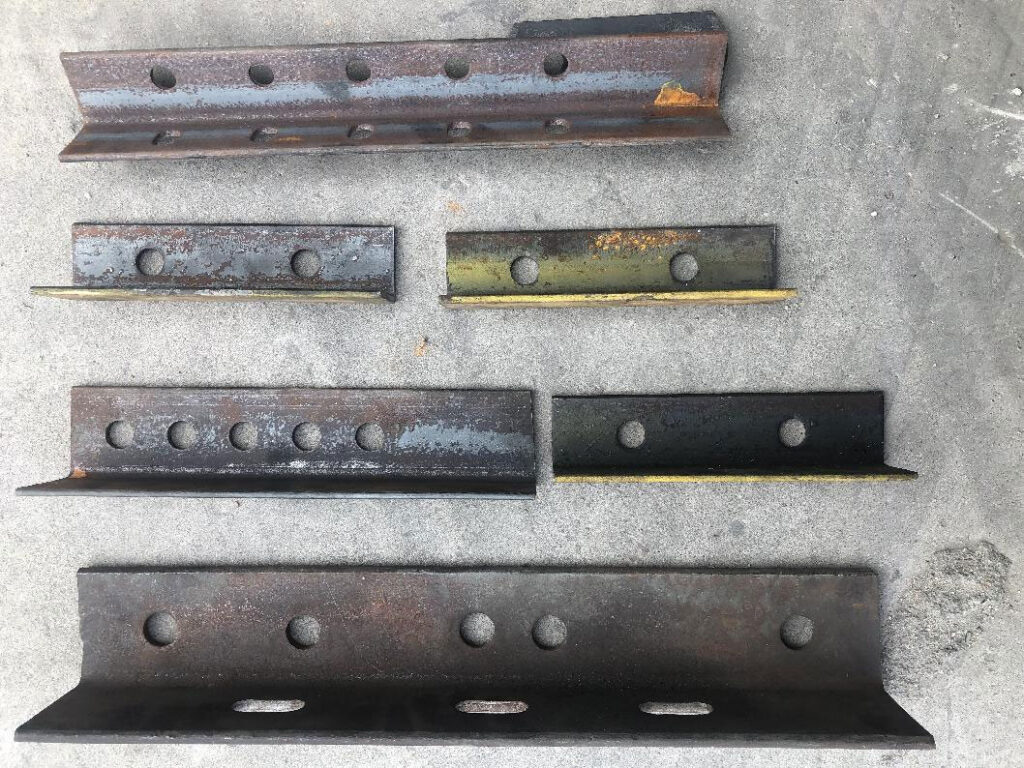
Advantage 7 – Faster Order Turnaround and Delivery
Speed matters in competitive fabrication markets.
Shorter Setup Times Between Jobs
CNC programming allows operators to switch between jobs quickly, reducing downtime between orders.
Meeting Tight Delivery Schedules
With predictable output rates, fabrication shops can confidently commit to shorter lead times, improving customer satisfaction.
Advantage 8 – Scalable Investment for Growing Businesses
A CNC tube punching machine supports both current needs and future expansion.
Starting with Semi-Automatic Solutions
Many small shops begin with semi-automatic CNC punching machines, balancing cost and efficiency.
Upgrading as Production Grows
As order volume increases, shops can upgrade tooling, automation, or feeding systems without replacing the entire machine.
Advantage 9 – Enhanced Safety Compared to Manual Punching
Workplace safety is a growing concern for fabrication businesses.
Reduced Direct Operator Contact
Automated CNC systems limit manual handling of tubes during punching operations, reducing injury risk.
Built-In Safety Features
Modern CNC tube punching machines include emergency stops, protective covers, and fault detection systems.
Advantage 10 – Competitive Advantage in Local Fabrication Markets
Technology adoption directly affects market positioning.
Offering Value-Added Processing Services
With a CNC tube punching machine, shops can offer precision hole processing as a value-added service, attracting more customers.
Standing Out from Manual-Only Competitors
Automation signals professionalism, reliability, and modern manufacturing capability.
Comparing CNC Tube Punching Machines to Traditional Methods
Understanding alternatives highlights CNC advantages.
CNC Punching vs Manual Punching
Manual punching may seem cheaper upfront, but it limits speed, consistency, and scalability.
CNC Punching vs Laser Cutting for Holes
Laser cutting offers flexibility but often involves higher operating costs for repetitive hole patterns on tubes.
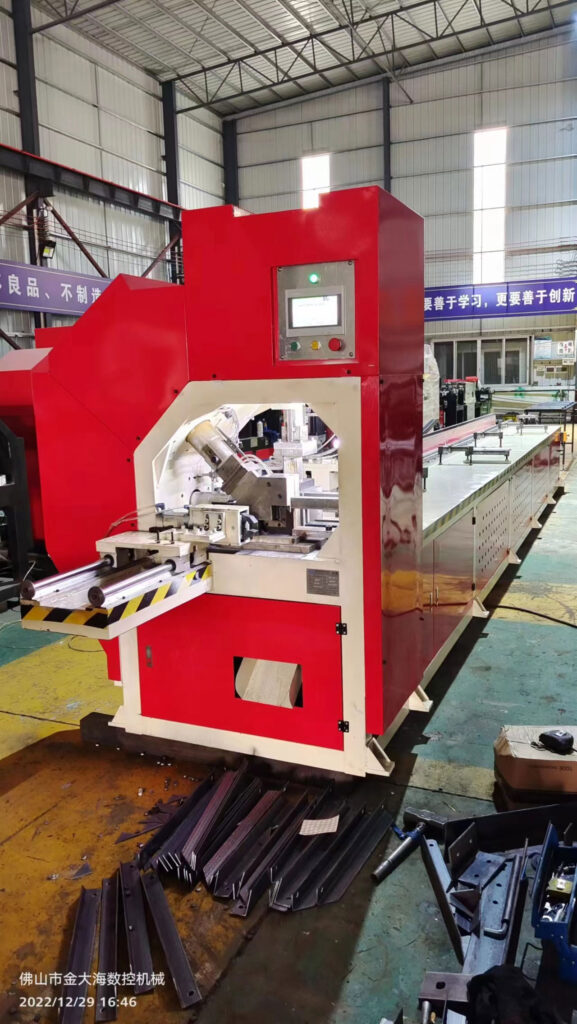
Choosing the Right CNC Tube Punching Machine for Small and Medium Shops
Not all machines are the same.
Matching Machine Capability to Production Needs
Shops should consider:
Daily production volume
Tube size range
Material thickness
Evaluating Total Cost of Ownership
Beyond purchase price, maintenance, tooling, and energy consumption affect long-term value.
Real ROI Benefits for Small and Medium Fabrication Shops
Return on investment often becomes clear within months.
Faster Payback Period
Improved productivity and reduced labor costs accelerate ROI.
Increased Order Capacity
CNC punching enables shops to take on larger and more complex orders.
Conclusion: Why CNC Tube Punching Machines Are a Smart Choice for Small and Medium Shops
For small and medium fabrication shops, investing in a CNC tube punching machine is not about replacing craftsmanship—it is about enhancing efficiency, consistency, and competitiveness. From improved accuracy and reduced labor dependency to faster turnaround times and scalable growth, CNC punching technology addresses many of the operational challenges faced by modern workshops.
By choosing the right CNC tube punching machine and aligning it with real production needs, fabrication businesses can achieve sustainable growth, stronger customer relationships, and long-term profitability in an increasingly competitive market.