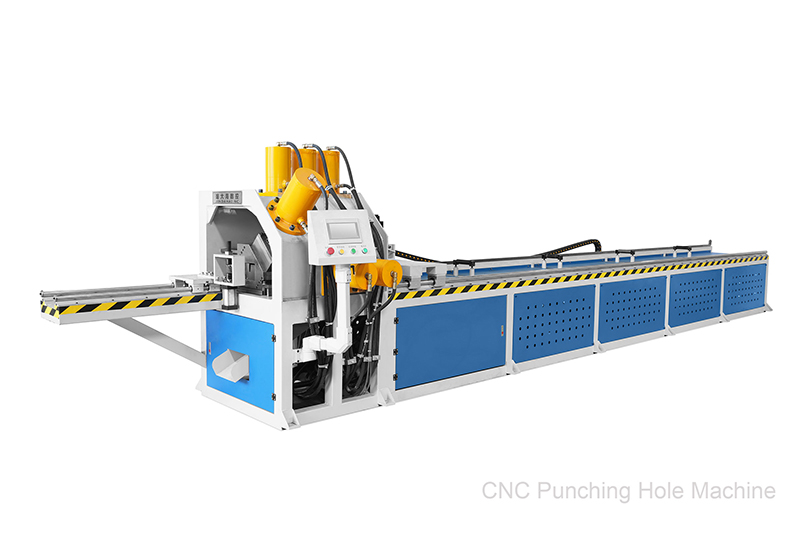
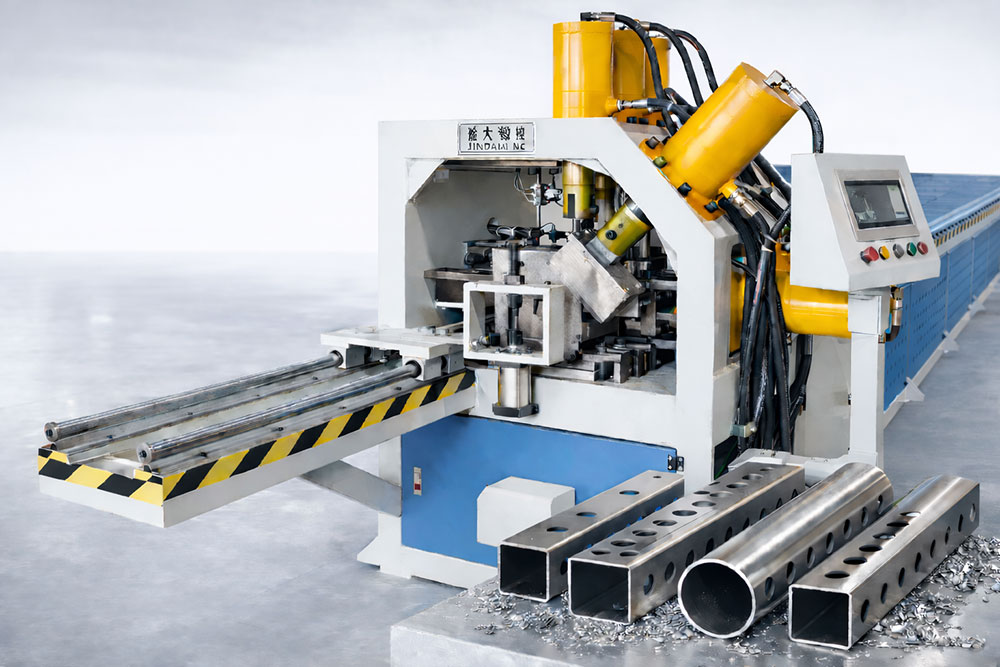
Modern manufacturing depends on speed, precision, and repeatability, especially in metal processing. That is why the CNC punching machine has become a widely used solution in workshops and factories around the world. Whether a company produces steel frames, electrical cabinets, shelving systems, construction parts, or custom metal components, CNC punching technology helps turn raw material into finished parts more quickly and with fewer errors.
A metal punching machine controlled by CNC can automate hole placement, improve consistency, reduce labor intensity, and support large-volume production without sacrificing quality. For businesses that want to upgrade from manual punching or traditional drilling, understanding how this equipment works is the first step toward better production planning. In this guide, we will explain what a CNC punching machine is, where it is used, how it operates, and what practical benefits it brings to industrial manufacturing.
What Is a CNC Punching Machine?
A CNC punching machine is a piece of automated equipment designed to create holes, slots, notches, and other punched shapes in metal materials. “CNC” stands for Computer Numerical Control, which means the machine follows programmed instructions rather than relying only on manual operation.
In simple terms, the operator enters the required dimensions, hole positions, spacing, and processing sequence into the control system. The machine then moves the workpiece or tooling automatically and performs punching actions according to the preset program. This makes the process faster, more accurate, and more repeatable than traditional manual methods.
Depending on the design, a CNC punching machine may be used for sheet metal, flat bar, angle steel, channel steel, tubes, square pipes, or other profiles. Some machines focus only on punching, while others combine punching with cutting, marking, or notching. In many factories, this type of equipment is considered a core part of an automated metal fabrication line because it can improve both output and quality control.
Where Are CNC Punching Machines Used?
One reason CNC punching technology is so popular is its wide range of applications. It is not limited to one industry. Instead, it supports many sectors that require repeated hole processing and consistent dimensional accuracy.
Common Materials Processed
A CNC punching machine can be used on many types of metal materials, including mild steel, stainless steel, aluminum, galvanized steel, copper, and certain alloy materials. It can also process round tubes, square tubes, flat bars, channels, and angle steel. The exact range depends on the machine structure, punch force, tooling system, and material thickness.
Common Industrial Applications
Construction and Steel Structure Fabrication
In construction and steel structure production, CNC punching machines are widely used to process connection plates, brackets, support members, channel steel, and structural profiles. Accurate punching helps ensure easier assembly and more reliable installation on site.
Electrical Cabinets and Enclosures
Manufacturers of switch cabinets, control boxes, distribution panels, and related metal components often require clean and repeatable holes for mounting, ventilation, and wiring layouts. CNC punching greatly improves efficiency in this sector.
Furniture and Storage Systems
Shelving uprights, warehouse rack parts, metal table frames, and storage supports often require a large number of evenly spaced holes. A CNC punching machine makes this work faster and more standardized.
Solar Mounting and Photovoltaic Structures
Solar support systems usually require consistent hole patterns for quick assembly. For this reason, many producers use CNC punching equipment to manufacture mounting rails, brackets, and support profiles in large quantities.
Automotive and Transport Components
Some manufacturers also use CNC punching machines to produce brackets, reinforcements, and profile parts for automotive and transport-related industries where dimensional consistency matters.
Agricultural and Infrastructure Equipment
Punching machines are also common in the production of fence posts, guardrail components, irrigation supports, and outdoor structural parts used in agricultural and infrastructure projects.
For manufacturers serving these sectors, a profile punching machine can significantly reduce manual measurement and improve production standardization.
How Does a CNC Punching Machine Work?
Although machine designs vary, the basic working principle is straightforward. A CNC punching machine combines a control system, feeding system, hydraulic or servo power unit, tooling, and machine frame. These parts work together to process the material accurately and efficiently.
Step 1: Program Input
The process begins with a production drawing or part design. The operator enters dimensions, hole size, hole quantity, distance between holes, and the processing order into the machine controller. Some advanced models can import files directly from design software, which improves workflow and reduces programming time.
Step 2: Material Loading
The metal workpiece is placed on the machine, either manually or through an automatic feeding device. In high-volume production, automatic loading systems help reduce labor and maintain a smooth production rhythm.
Step 3: Positioning and Feeding
The control system moves the material to the correct punching position. In many machines, servo motors control the feeding length with high accuracy. This is especially important when a long tube, angle steel, or flat bar needs multiple holes along its length.
Step 4: Punching Operation
Once the material is in place, the punch descends under hydraulic or servo force and presses through the material with the help of a matching die. The punched hole is formed quickly and consistently. Depending on the tooling, the machine can create round holes, oblong holes, square holes, or custom shapes.
Step 5: Repeated Automatic Processing
The system continues moving the workpiece and executing the programmed sequence until all holes or shapes are completed. Machines with multiple stations or tool positions can switch operations more efficiently during a job.
Step 6: Finished Part Output
After processing, the material is unloaded and sent to the next step, which may include cutting, welding, bending, coating, or assembly. In integrated systems, punching may be combined with cutting in a single workflow, which saves time and floor space.
This automated sequence explains why a CNC hole punching machine is often chosen over manual punching, drilling, or marking methods in industrial environments.
How to Use a CNC Punching Machine Effectively
Using a CNC punching machine successfully is not only about pressing a start button. Good results depend on proper setup, operator training, tooling choice, and routine maintenance. The following workflow provides a practical overview.
Check the Material and Drawing
Before production begins, the operator should verify material size, thickness, hardness, and surface condition. The part drawing should be checked carefully to confirm hole diameter, spacing, quantity, and orientation. Mistakes at this stage can lead to scrap and production delays.
Select the Right Tooling
The punch and die must match the required hole shape and material specification. Incorrect tooling can cause burrs, poor hole quality, tool wear, or even machine damage. For customized production, keeping a well-organized tooling library improves efficiency.
Set Up the Program
Operators then load or create the processing program. The program should include feeding length, punching sequence, positioning references, and safety limits. Many factories test the program on a sample piece before full production to avoid batch errors.
Secure and Align the Workpiece
Proper clamping and alignment are critical. If the material moves during punching, hole position accuracy will suffer. For long profiles or tubes, support devices may be needed to keep the material stable throughout the process.
Run a Trial Piece
A first-piece inspection is highly recommended. The operator should check dimensions, hole shape, edge quality, spacing, and overall alignment. This small step can prevent major waste during mass production.
Begin Batch Production
Once the sample is approved, the machine can move into continuous operation. During the run, the operator should monitor noise, vibration, hole quality, and feeding accuracy. Modern machines often display fault messages or maintenance reminders on the screen.
Inspect and Maintain
After production, the machine should be cleaned, lubricated, and inspected. Punches, dies, clamps, and guides must be checked regularly to ensure consistent quality. Preventive maintenance is essential for long machine life and stable performance.
For manufacturers planning to expand automation, pairing a CNC punching machine with a cutting and punching machine can further simplify downstream processing.
What Benefits Does a CNC Punching Machine Bring to Industrial Production?
The biggest reason companies invest in CNC punching equipment is not simply automation for its own sake. The real value lies in practical production improvements that affect cost, capacity, quality, and delivery time.
Higher Production Speed
Compared with manual layout, drilling, or ordinary punching, CNC punching is much faster. Once the program is ready, the machine can process multiple holes in sequence with little interruption. This is especially important for factories handling repetitive parts in medium or large volumes.
Better Accuracy and Repeatability
Manual operations depend heavily on worker skill and concentration. In contrast, CNC systems follow digital coordinates and programmed movements. This leads to more consistent hole spacing, better positioning accuracy, and fewer dimensional deviations between parts.
Lower Labor Intensity
Traditional punching work can be physically demanding. Workers may need to measure repeatedly, move heavy materials, and operate machinery in a repetitive cycle. A CNC punching machine reduces these manual tasks and allows one operator to manage more output with less effort.
Improved Safety
Automation also improves workplace safety. With proper guarding and programming, the operator can stay away from the direct punching area during operation. This reduces the chance of injuries caused by repeated manual handling or unsafe positioning.
Reduced Material Waste
Accurate positioning means fewer errors and less scrap. When the machine punches the right hole in the right place every time, the factory saves both raw material and rework cost. Over time, this improvement can make a noticeable difference to profit margins.
Flexible Production
CNC punching is not only for large batches. It is also useful for flexible production because changing part designs often requires only a new program or different tooling. This helps manufacturers respond quickly to custom orders and changing customer needs.
Easier Standardization
Factories that want stable quality across different shifts or operators benefit greatly from standardized CNC programs. Once a reliable process is created, it can be repeated with minimal variation. This is one reason a CNC fabrication machine is often part of a company’s long-term capacity planning.
Better Integration with Modern Manufacturing
Many factories are moving toward digital production management. CNC punching machines fit well into this trend because they can connect with design files, production planning, barcode systems, and traceability processes. This supports better data management and smarter workshop control.
Types of CNC Punching Machines on the Market
The market offers several types of CNC punching equipment, each designed for different materials and production needs. Understanding the differences can help buyers choose the right machine.
Sheet Metal CNC Punching Machines
These machines are commonly used in sheet metal fabrication. They are suitable for cabinet panels, covers, brackets, and flat components. Some models use turret tooling systems for fast tool changes and multiple hole shapes.
Tube and Profile Punching Machines
These are designed for round tubes, square pipes, rectangular tubes, channel steel, and other profiles. They are common in construction, furniture, and rack system manufacturing. A tube punching machine is especially useful when long materials need repeated holes with exact spacing.
Angle Steel and Flat Bar Punching Machines
These machines process angle iron, flat steel, and similar structural materials. They are widely used in tower manufacturing, construction supports, and infrastructure components.
Combined Punching and Cutting Machines
Some equipment can punch holes and cut material lengths in one line. This reduces secondary handling and increases overall productivity. It is a strong option for factories focused on standardized profile production.
Hydraulic vs Servo-Driven Machines
Hydraulic machines are known for strong punching force and wide industrial use. Servo-driven systems may offer advantages in speed control, energy efficiency, and cleaner operation depending on the application. Buyers should compare machine type with actual production needs rather than choosing based only on trend.
How to Choose the Right CNC Punching Machine
Not every machine is suitable for every factory. Choosing the right CNC punching machine requires a clear understanding of product requirements and production goals.
Consider Your Material Type
Start with the material you process most often. Is it sheet metal, flat bar, channel steel, angle iron, or tube? The machine structure must match the shape and dimensions of the material.
Check Material Thickness and Hole Size
Different machines support different thickness ranges and punch forces. Buyers should make sure the machine can handle their normal production load, not just the easiest parts.
Evaluate Production Volume
A small workshop producing custom parts may need flexibility more than maximum speed. A high-output factory may need automatic feeding, faster cycle times, and more robust tooling systems.
Think About Future Orders
Buying only for today’s requirements can be limiting. If your business plans to enter new markets or increase output, choosing a machine with room for expansion may be a better long-term investment.
Review Software and Control System
A machine’s software affects ease of use just as much as its mechanical performance. User-friendly programming, stable controls, and good support service are all important.
Compare Maintenance and Service Support
A lower purchase price does not always mean lower total cost. Spare parts availability, technical support, machine durability, and training service matter greatly in real production environments. A reliable industrial punching solution should support the user for years, not just at the point of sale.
Common Challenges and How to Avoid Them
Even advanced machines can underperform if they are not used correctly. Here are several common issues and practical ways to reduce them.
Burrs or Poor Hole Quality
This is often caused by worn tooling, incorrect die clearance, or unsuitable material settings. Regular tool inspection and correct punch-die matching are essential.
Positioning Errors
Improper clamping, feeding deviation, or programming mistakes can cause hole misalignment. A trial piece and first-part inspection help catch these issues early.
Excessive Tool Wear
Tool life depends on material hardness, lubrication, punching frequency, and tool quality. Good maintenance habits and correct production parameters can extend service life.
Slow Production Rhythm
If the machine itself is fast but loading, unloading, or programming is slow, overall productivity will still suffer. In many cases, process optimization around the machine is just as important as the machine specification itself.
Operator Dependence
Although CNC equipment reduces manual work, trained operators are still necessary. Proper training improves safety, reduces errors, and helps factories get the most value from the equipment.
Is a CNC Punching Machine Worth the Investment?
For many manufacturers, the answer is yes. A CNC punching machine can reduce labor dependence, improve accuracy, shorten production time, and support scalable growth. The value becomes even more obvious in industries that require repeated hole processing across large numbers of parts.
However, the real return on investment depends on choosing the correct machine, using it properly, and integrating it into an efficient production workflow. Companies that process metal parts regularly and want to improve competitiveness often find that CNC punching is not simply a machine upgrade—it is a step toward more modern and reliable manufacturing.
Final Thoughts
A CNC punching machine is more than a tool for making holes. It is a practical manufacturing solution that helps factories produce metal parts with greater speed, consistency, and control. From construction profiles and solar supports to electrical cabinets and storage systems, its application range is broad and growing.
For businesses still relying on manual punching or less efficient methods, upgrading to CNC can bring immediate improvements in productivity, safety, and part quality. For companies already using automated systems, the right punching machine can strengthen process standardization and support future expansion.
As industrial production continues to demand higher efficiency and better accuracy, CNC punching machines will remain an important part of modern metal fabrication. Understanding how they work, where they are used, and how to choose the right model can help manufacturers make smarter equipment decisions and build a stronger production foundation.