Project Story: Upgrading Tube Processing in Vietnam Furniture Industry
In the modern furniture manufacturing industry, production efficiency and flexibility are becoming increasingly important. As product designs evolve and market competition intensifies, manufacturers are under pressure to deliver high-quality components with shorter lead times and lower costs.
In Vietnam, a furniture manufacturer producing bed frames, slatted bases, tables, and chair structures faced these exact challenges. Their production relied heavily on square and round tube processing, which required both cutting and hole-making operations.
This case study explains how the company transitioned from traditional multi-step processing to a more efficient workflow by adopting a laser tube cutting machine for furniture manufacturing.
Background: Tube Processing in Furniture Manufacturing
The customer produces various furniture components using square and round tubes in different sizes. These tubes are widely used in:
Bed frames and slatted structures
Table and chair frames
Structural supports for furniture assemblies
Each product requires precise cutting and, in some cases, hole processing to ensure proper assembly.
Due to the variety of tube sizes and designs, the production process must remain flexible while maintaining consistent output quality.
Challenges with Traditional Production Methods
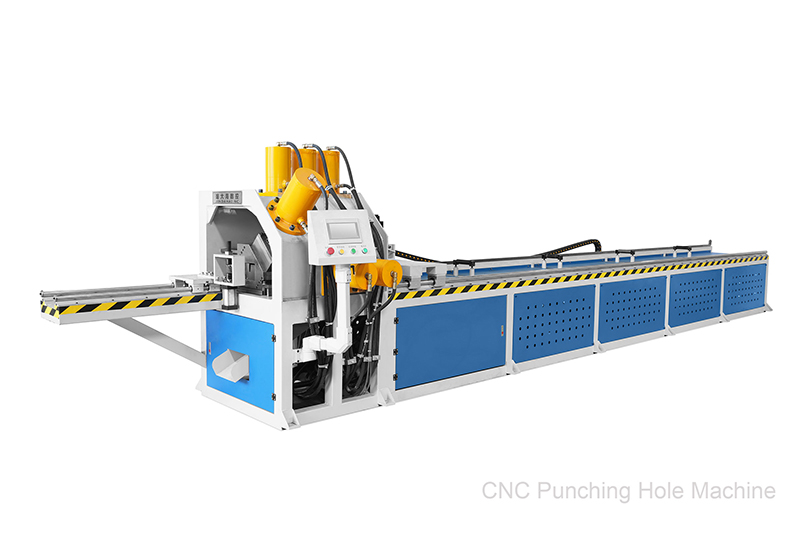
Before upgrading, the manufacturer relied on conventional equipment such as punching machines and cutting tools.
The process involved multiple steps:
First, tubes were cut into required lengths.
Then, they were transferred to punching machines for hole processing.
Frequent mold changes were required for different tube sizes and designs.
This created several issues.
Production speed was limited due to multi-step processing.
Labor costs increased because multiple operators were needed.
Frequent mold changes reduced efficiency.
Inconsistent alignment between cutting and punching affected product quality.
As demand increased, this traditional workflow became a bottleneck in production.
Defining the Requirements
To improve efficiency, the customer outlined several key requirements.
The system needed to support both square and round tubes within a wide size range.
Batch loading capability was required to reduce manual handling.
Cutting and hole processing needed to be integrated into one system.
The machine had to minimize material waste, especially tail material.
Operation needed to be simple enough for one operator to manage multiple machines.
The goal was to create a more efficient and scalable production process.
The Proposed Solution: Automated Laser Tube Cutting System
Based on these requirements, we provided a laser tube cutting solution for metal furniture production designed to replace traditional multi-step workflows.
The system integrates cutting and hole processing into a single automated process, significantly improving production efficiency.
Instead of focusing on complex specifications, the solution emphasizes stability, flexibility, and real production performance.
Key features include:
Automatic bundle loading system for batch feeding
Stable clamping design for accurate positioning
Laser cutting unit capable of handling multiple tube types
CNC control system for consistent and repeatable processing
Optimized cutting strategy to reduce tail material waste
This configuration allows manufacturers to process different products without frequent adjustments.
Streamlined Workflow: From Raw Tube to Finished Component
In daily production, tubes are loaded in batches onto the feeding system.
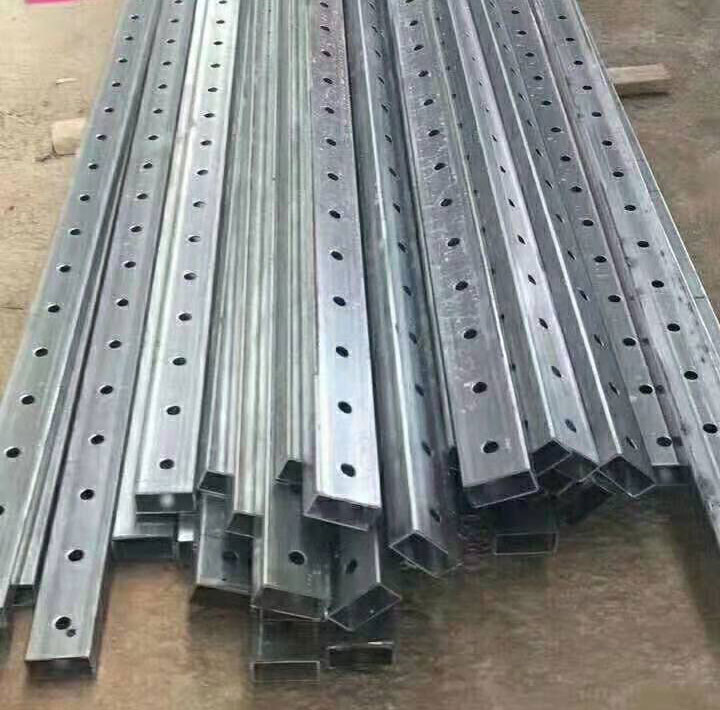
The machine automatically feeds each tube into the cutting area, where both hole cutting and length cutting are completed in one continuous process.
This eliminates the need for secondary operations and reduces manual handling.
Designed for High Efficiency in Furniture Production
Furniture manufacturing requires both flexibility and efficiency.
This solution is designed to meet those needs by:
Supporting multiple tube sizes without complex setup
Reducing production steps through integrated processing
Maintaining consistent cutting accuracy across batches
The ability to process different products on the same machine makes it especially suitable for manufacturers with diverse product lines.
Key Advantages for Furniture Manufacturers
Compared with traditional processing methods, this solution offers several important benefits.
Production efficiency increases significantly as multiple steps are combined into one.
Labor costs are reduced since one operator can supervise multiple machines.
Material waste is minimized through optimized cutting and reduced tail length.
Consistency improves due to CNC-controlled processing.
Production flexibility increases, allowing quick adaptation to new designs.
These advantages directly impact production cost and overall competitiveness.
Supporting Scalable and Flexible Production
As the furniture market continues to evolve, manufacturers must be able to adapt quickly.
By implementing an automated cutting system, the customer created a production setup that supports both current demand and future expansion.
The system allows for easy adjustment of cutting programs, making it suitable for new product designs without additional equipment investment.
Conclusion
This project demonstrates how a furniture manufacturer in Vietnam improved production efficiency by upgrading from traditional processing methods to a more integrated solution.
By adopting a laser tube cutting system, the company streamlined its workflow, reduced labor costs, and improved consistency across products.
For furniture manufacturers working with metal tubes, this approach offers a practical and scalable solution for modern production environments.