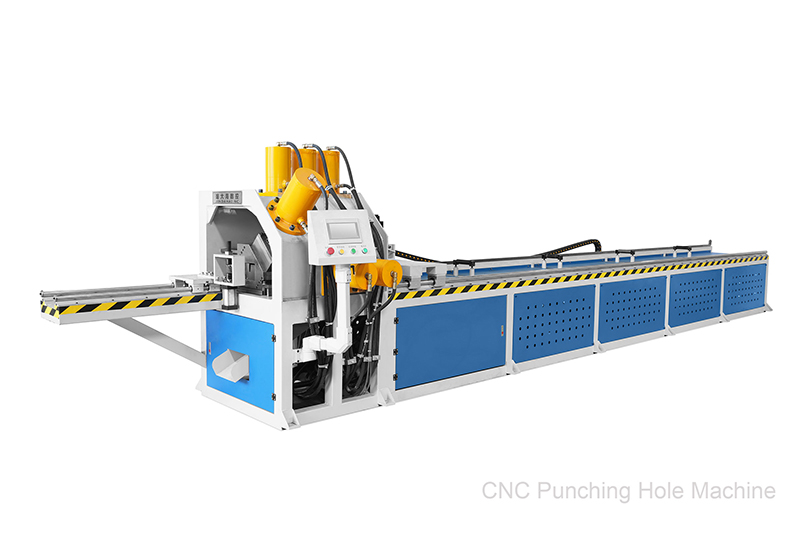
### A Custom Laser Tube Processing Project in South Africa
In the growing sunroom construction market of South Africa, structural aesthetics and installation efficiency are becoming increasingly important. Unlike standard square or round tubes, sunroom frames often rely on **special-shaped steel profiles** to achieve better strength, drainage design, and visual appearance.
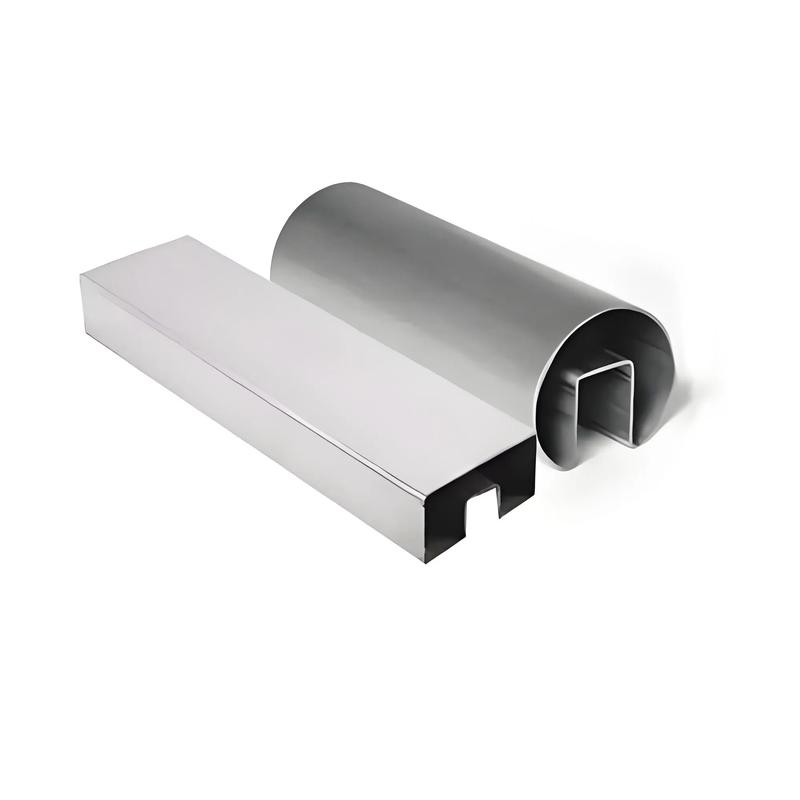
This project focuses on a local sunroom manufacturer that needed a more efficient and accurate way to process **L-shaped tubes, P-shaped tubes, and concave profiles**—materials that are difficult to handle using traditional cutting methods.
## Customer Background and Application Scenario
The customer operates in the **sunroom manufacturing industry**, supplying customized structural frames for residential and commercial projects. Their production involves a wide range of **special-shaped steel tubes**, mainly used for:
* Sunroom structural frames
* Support columns and edge profiles
* Decorative yet load-bearing components
These profiles require **precise hole cutting and accurate tube cutting**, as errors can directly affect on-site installation and overall appearance.
## The Processing Challenge: Special-Shaped Tubes and Manual Limitations
Before upgrading their processing equipment, the customer relied mainly on **manual cutting and drilling methods** for special-shaped tubes.
This approach created several production bottlenecks:
* **Low efficiency**: Special-shaped tubes required multiple positioning steps and repeated manual operations
* **Poor cut quality**: Burrs and uneven edges were common, especially on curved or concave surfaces
* **Complex workflow**: Hole cutting and tube cutting had to be completed in separate processes
* **High labor dependency**: Skilled operators were required to maintain acceptable accuracy
For profiles such as L-shaped and P-shaped tubes, even small inconsistencies could lead to fitting issues during assembly.
The customer needed a processing solution that could **combine hole cutting and tube cutting into a single workflow**, while maintaining stable quality across different tube shapes.
## Why Laser Tube Cutting Became the Preferred Solution
After evaluating different processing methods, laser tube cutting emerged as the most practical option for handling **irregular tube geometries**.
Laser processing offered several advantages for this application:
* Non-contact cutting, reducing deformation on thin-wall tubes
* Smooth cutting edges, minimizing secondary deburring work
* High flexibility for different tube shapes and layouts
* The ability to complete multiple processes in one setup
However, the solution still needed to match the customer’s **production scale and material range**, rather than being an oversized fully automated line.
## Solution Overview: Semi-Automatic Feeding Laser Tube Cutting Configuration
Based on the customer’s application requirements, we provided a **1500W side-mounted semi-automatic feeding laser tube cutting solution**, configured specifically for sunroom profile processing.
The solution focused on **practical capability rather than excessive configuration**, ensuring stable operation while keeping the workflow simple.
Key considerations in the solution design included:
* Support for **special-shaped tubes**, including L-type, P-type, and concave profiles
* A **semi-automatic chain-type feeding structure** to improve loading efficiency without full automation complexity
* A cutting range suitable for commonly used tube sizes in sunroom structures
* Stable cutting performance for thin to medium wall thickness materials
This configuration allowed the customer to process a wide variety of profiles with consistent results.
## Tube Handling and Cutting Range Adaptation
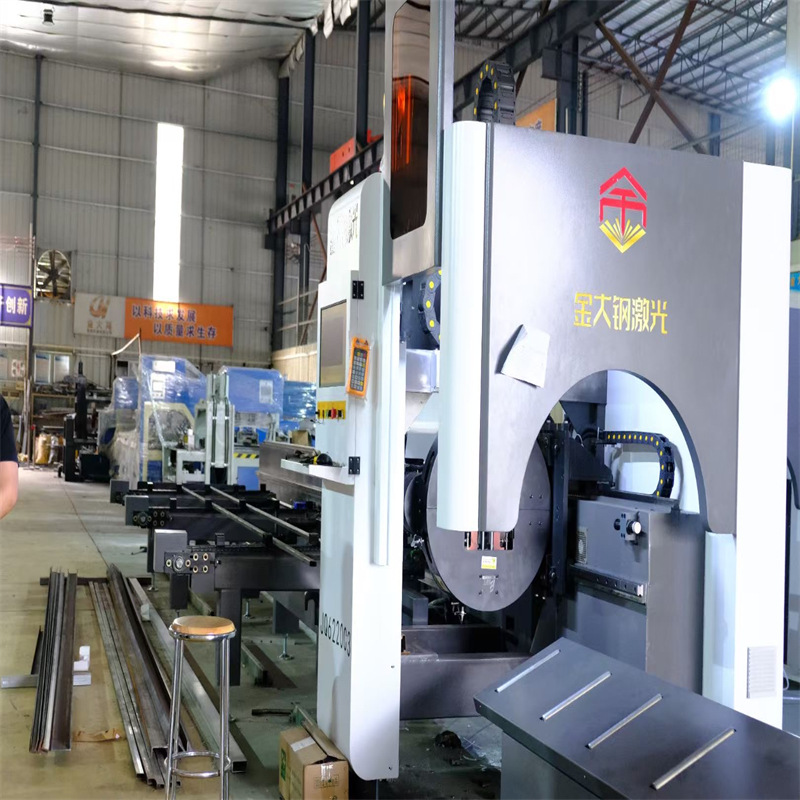
To accommodate the customer’s material diversity, the solution supports **square, round, and special-shaped tubes within a broad size range**, covering most sunroom structural requirements.
A **precision chuck configuration** ensures stable clamping during rotation, even for irregular tube profiles. This is especially important for maintaining cutting accuracy when processing asymmetric tube shapes.
The semi-automatic chain feeding system assists with tube alignment and positioning, reducing manual handling effort while maintaining operator control.
Integrated Hole Cutting and Tube Cutting Workflow
One of the main advantages of this solution is its ability to complete hole cutting and tube cutting in a single process.
Instead of dividing operations into multiple stations, the laser tube cutting workflow allows:
Accurate hole cutting on special-shaped tube surfaces
Clean tube end cutting with smooth edges
Consistent positioning across multiple features
This significantly simplifies the production flow and reduces handling time between processes.
Control and Motion Stability (Application-Oriented)
The laser tube cutting system uses a dedicated tube cutting control platform, optimized for stable motion and flexible processing paths.
Rather than focusing on detailed technical parameters, the system emphasizes:
Reliable cutting trajectories for complex tube geometries
Compensation functions to improve consistency across varying tube conditions
Smooth coordination between rotation, feeding, and cutting movements
These features help maintain stable cutting quality, even when switching between different tube shapes.
Supporting Components for Continuous Operation
To ensure stable performance during extended operation, the system integrates:
A fiber laser source suitable for thin to medium thickness steel materials
A sealed laser cutting head designed to reduce contamination during tube processing
A temperature-controlled cooling system to support consistent operation
Servo-driven motion components for precise positioning and repeatability
All components are selected to support daily production stability, rather than short-term peak output.
Application Results in Sunroom Profile Processing
With the new laser tube cutting solution, the customer can now process:
L-shaped and P-shaped tubes with clean hole edges
Concave profiles without secondary finishing
Multiple processing features in a single setup
The workflow is more streamlined, and the overall processing rhythm is better suited to customized sunroom projects.
A Flexible Processing Foundation for Future Expansion
Although the current configuration focuses on sunroom profile processing, the solution leaves room for future adaptation:
Additional tube shapes can be supported through programming adjustments
Processing layouts can be modified as product designs evolve
Output capacity can be increased without changing the core machine structure
This makes the system a practical long-term investment rather than a single-purpose machine.
Conclusion: One-Step Laser Processing for Special-Shaped Tubes
This South African project demonstrates how a semi-automatic laser tube cutting solution can effectively address the challenges of special-shaped tube processing in sunroom manufacturing.
By replacing multi-step manual operations with a single laser-based workflow, the customer established a more efficient, consistent, and scalable production method—well suited for modern sunroom structural requirements.