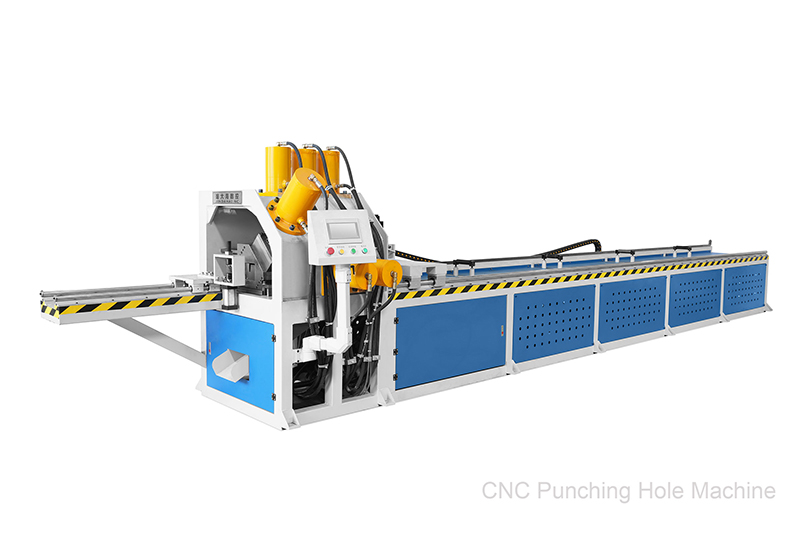
From Manual Marking to Efficient Angle Iron Processing
In many developing industrial markets, metal fabrication businesses are under increasing pressure to improve efficiency while keeping investment costs under control. This case study presents a practical angle iron punching and cutting solution developed for a customer in Indonesia, operating in the PXCU channel-related manufacturing sector.
The customer’s main products involve angle iron components with U-shaped slots, commonly used in structural and support applications. As competition intensified, traditional manual processing methods could no longer meet accuracy and productivity requirements.
This project focuses on how a semi-automatic hydraulic punching solution helped streamline angle iron U-slot punching and flexible cutting operations—without unnecessary automation complexity.
Industry Background: PXCU Channel and Angle Iron Applications
The customer is based in Indonesia and works in an industry related to PXCU channel structures, where angle iron components play a key role. These components often require:
Precise U-shaped slots for assembly
Consistent hole positioning on angle iron profiles
Flexible length cutting to support different project requirements
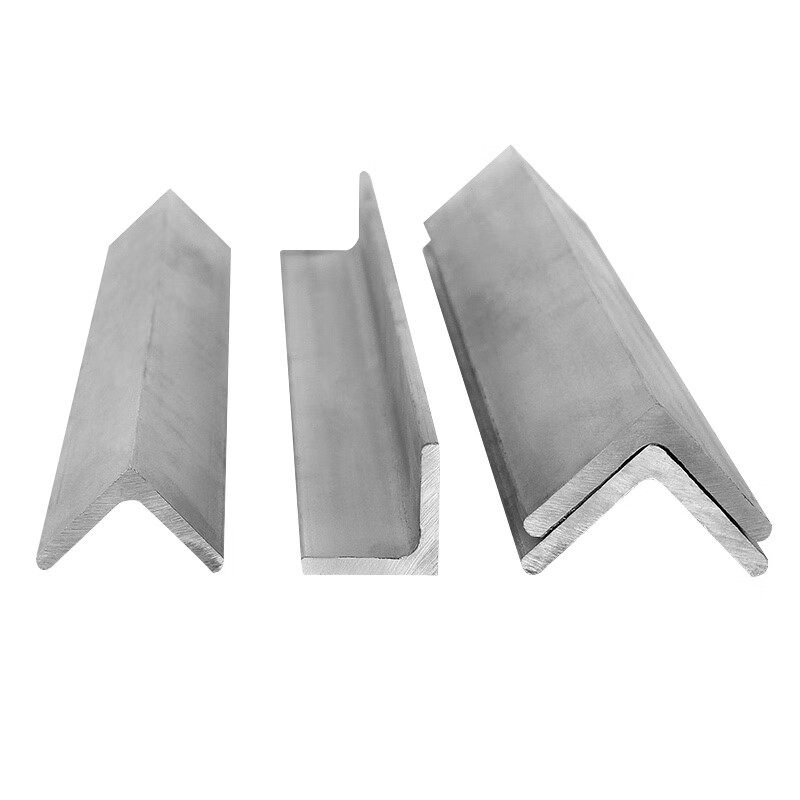
For this application, 80 × 80 angle iron with medium wall thickness is commonly used, and U-slot accuracy directly affects installation efficiency and structural alignment.
Production Challenges Before Automation
Before introducing new equipment, the customer relied heavily on manual marking and punching. This approach presented several clear challenges:
Low Efficiency
Each angle iron needed to be manually measured, marked, and aligned before punching. This process was slow and heavily dependent on operator experience.
Inconsistent Accuracy
Manual layout led to deviations in slot position and size, especially when processing multiple batches.
High Labor Dependence
Skilled workers were required for marking and punching, increasing labor cost pressure.
Limited Flexibility
Switching between different product lengths required repeated manual adjustments, further slowing production.
As market competition increased, these limitations made it difficult to maintain consistent output and competitive pricing.
Defining the Processing Requirements
After reviewing the production workflow, the customer defined clear and practical requirements for a new machine:
Manual feeding was acceptable due to moderate production volume
The machine needed to punch U-shaped slots on angle iron accurately
Tooling should allow flexible switching between punching and cutting
Angle iron lengths varied, requiring adaptable cutting capability
Operation should reduce dependence on manual marking and measuring
The goal was to improve efficiency and accuracy without moving to a fully automated production line.
Solution Overview: Semi-Automatic Hydraulic Punching and Cutting Configuration
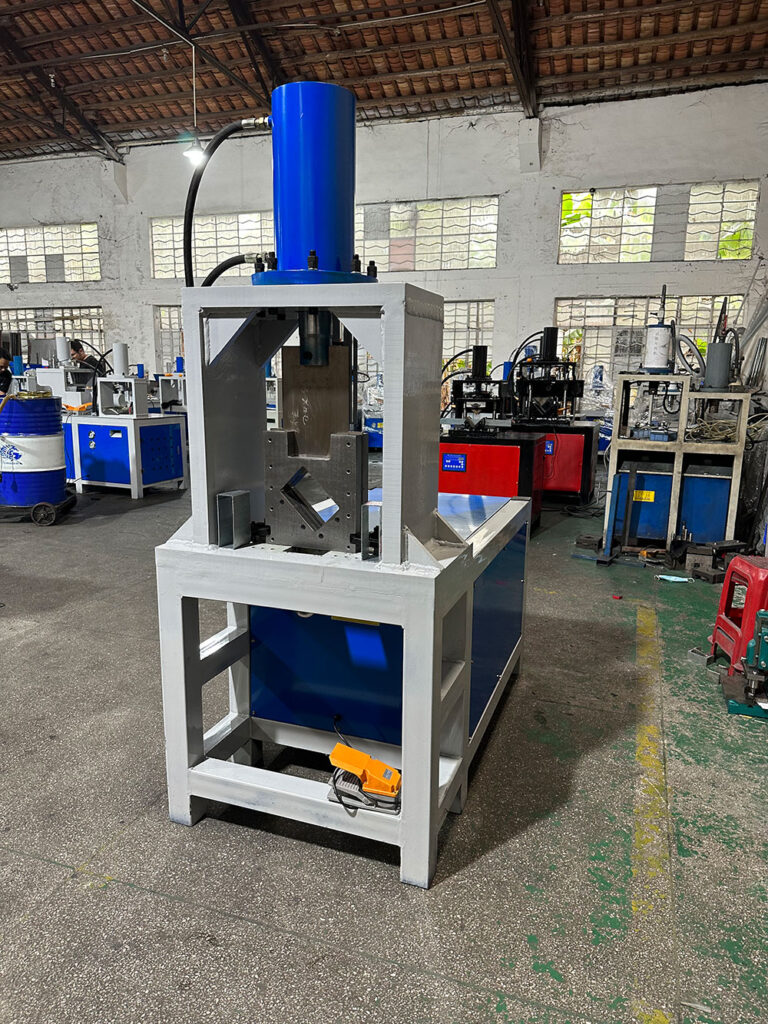
Based on these requirements, we designed a single-station semi-automatic hydraulic punching solution tailored for angle iron U-slot processing and flexible cutting.
Rather than emphasizing detailed technical parameters, the configuration focused on stable performance, operational simplicity, and tooling versatility.
Key elements of the solution include:
A rigid machine structure designed for angle iron punching stability
A hydraulic punching system suitable for medium-thickness steel
Dedicated tooling for U-shaped slot punching on angle iron profiles
A simple control interface allowing quick switching between punching and cutting operations
Foot-pedal operation to support efficient manual feeding
This setup allows operators to process angle iron components efficiently while maintaining consistent quality.
How the Processing Workflow Operates
In daily operation, angle iron profiles are manually fed into the machine and positioned using built-in reference guides. Once aligned, the operator activates the punching cycle, forming the U-shaped slot in a single, controlled motion.
For products requiring length adjustment, the machine can be reconfigured through tooling changes to perform angle iron cutting. This flexibility supports both long and short components within the same workspace.
The workflow eliminates manual marking and repeated measuring, ensuring:
Consistent U-slot positioning
Reduced setup time between pieces
Improved overall processing rhythm
U-Slot Punching for PXCU Channel Components
The core application of this project is U-slot punching on angle iron, commonly required for PXCU channel-related assemblies.
Typical characteristics of this task include:
Standardized U-slot dimensions
Repeated punching on consistent profiles
Requirements for clean slot edges and accurate placement
By using dedicated punching tooling and a stable hydraulic system, the solution delivers uniform slot geometry suitable for downstream assembly and installation.
Why Semi-Automatic Punching Fits This Application
For this customer’s production scale, a semi-automatic punching approach offered several practical advantages:
Lower investment cost compared to fully automated CNC systems
Simple operation, suitable for small teams
Compact footprint, fitting easily into existing workshops
Versatile tooling, enabling punching and cutting on one machine
This balance of capability and simplicity makes semi-automatic punching ideal for businesses transitioning away from manual processes.
Supporting Efficiency and Cost Control
By removing manual marking and improving punching accuracy, the solution helps address several operational challenges:
Reduced labor intensity per component
Improved consistency across batches
Faster processing compared to manual methods
Greater control over material usage
These improvements support stable production without overcomplicating the manufacturing process.
A Practical Solution for Competitive Manufacturing
This project demonstrates how targeted equipment upgrades can significantly improve angle iron processing efficiency in competitive markets.
Instead of pursuing complex automation, the customer adopted a purpose-built semi-automatic punching and cutting solution that matches real production needs. The result is a streamlined workflow suitable for PXCU channel-related angle iron components, with improved accuracy and flexibility.
For manufacturers facing similar challenges, this approach offers a practical path toward higher efficiency and more consistent output—without unnecessary complexity.